An elite-led ‘Great Reset’ post-Covid? No, what we need first is to get rid of the globalist approach that got us into this mess

An elite-led ‘Great Reset’ post-Covid? No, what we need first is to get rid of the globalist approach that got us into this mess
is a writer, speaker and consultant on innovation and technology, was most recently a Director at PriceWaterhouseCoopers, where he set up and led their crowdsourced innovation service. Follow him on Twitter
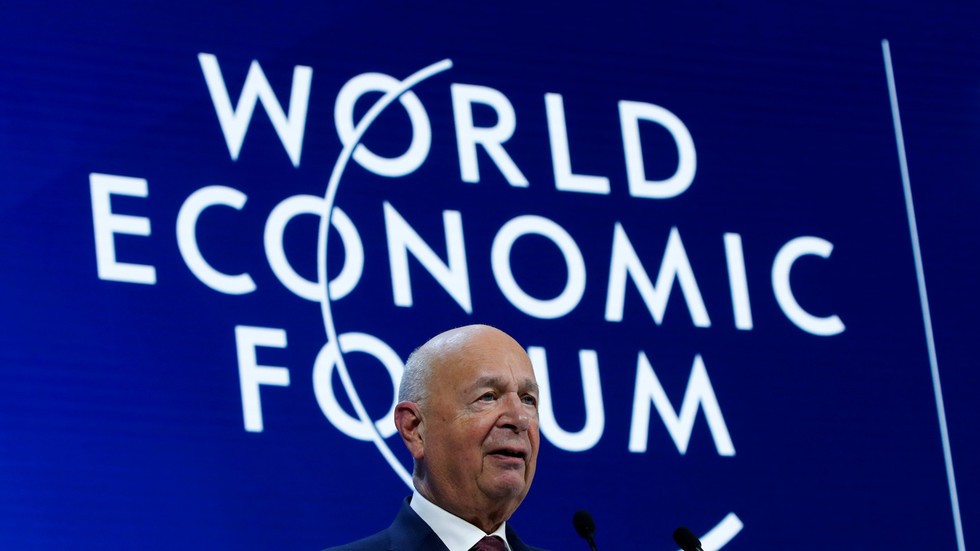
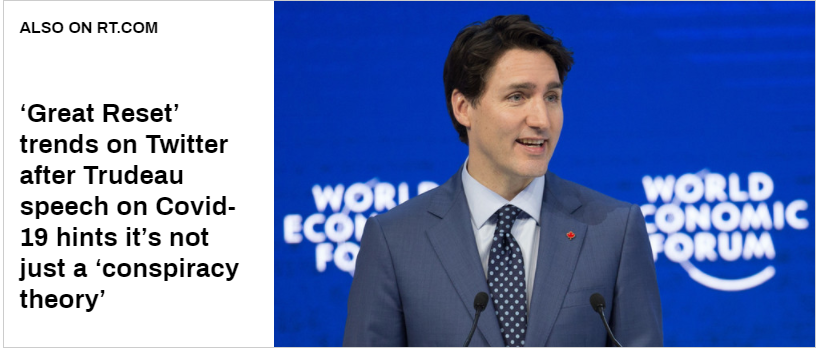
The “Great Reset” is an important manifesto. It articulates a vision of how the global elite see the future, and in particular, how they are seizing the opportunity presented by the Covid-19 pandemic – a world that will, apparently, “never” return to normal – to remake society in their image. It’s an idea that’s been seized on by ‘progressive’ politicians and leaders everywhere, from Canada’s
On the surface, this might appear reasonable. After all, the challenges of the post-Covid world are certainly going to be huge. The economic fallout of the global lockdown, never mind the social consequences of mass unemployment and global poverty, will be unprecedented in world history.
However, the “Great Reset” is sophistry and dishonesty on an unprecedented level. Who is responsible, it may be asked, for creating yesterday’s problematic ‘normal’ to which we will supposedly never return?
Of course, these difficulties have nothing to do with the billionaires, political leaders, captains of industry and top regulators who swan around Davos each year, pontificating over oysters and champagne about the world’s problems, from which they benefit most.
And the idea of a ‘reset’ is at best disingenuous. This implies that the global economy and society was basically functioning OK before Covid-19. That it simply requires a reboot, like switching a computer off and on again.
This glosses over the reality, which is this: that the world economy and global society were in a sickly state before Covid-19, and now, being even more dependent on unprecedented state bailouts, which will take generations to repay, are in a still more parlous state. ‘Reset’ seriously underestimates the scale of the economic wreckage we face, the overhaul required, and the real barriers to the future.
The “Great Reset” vision from the WEF, presented as
Its tone is that of the hectoring schoolmaster who knows what’s best for the children, and tolerates no dissent. This is not a dialogue but a lecture we need to accept without question. Here they are:



1. ‘You’ll own nothing and be happy’
We’ll rent everything we’ll need, and it will be delivered by drone. Does this mean we won’t even own our ability to sell our labour? If we’re renting this and everything else, who are we renting it from? Presumably from those who own everything, who doubtless will be much happier than we will be. And drone deliveries by 2030? It will take longer than that to get regulatory permission agreed, given how risk averse both industry and governments have become.
2. The US won’t be the only world’s leading power
A handful of countries will dominate. This is a nice way of avoiding the obvious point that in a bipolar or multipolar world – the USA vs China vs the EU vs Russia – global decision-making is going to be even more elusive and tricky, not less. In the post-Covid world, autarkical tendencies, not cooperation, pose a threat to any notions of harmonious global governance, let alone coordination. That’s a point I’ll return to below.
3. We won’t die waiting for an organ donor
Transplants will be a thing of the past. New organs will be printed instead. This is a lovely notion and would be very welcome. But there’s the pesky problem of a health system that can hardly cope with seasonal flu and has had to be protected from treating ill people by shutting down the entire economy. Solving this in 10 years will require the printing of more money (which we haven’t got), never mind organs.
4. We’ll eat less meat
Meat will become an occasional treat, not a staple, and we’ll eat less of it because it's good for the environment and our health. This is like the ‘choice’ offered by state telecommunications monopolies: you can have any phone you like as long as it's black. Goodbye, freedom of choice.
5. A billion people will be displaced by climate change
In 10 years, we’re going to have to do a better job at welcoming and integrating refugees. Do they mean we should be as welcoming as the EU, with its “Fortress Europe” approach? Or successive American governments’ benevolent border wall with Mexico? Perhaps they’re referring to the Prince of Wales opening up Buckingham Palace to refugees?
6. Polluters will have to pay to emit CO2
The introduction of a global price on carbon with the aim of making fossil fuels history is the holy grail being held out here. Given the parlous state of all state coffers as a result of Covid-19, and the crisis of innovation, this idea is perhaps the most fanciful of all.
7. You could be preparing to go to Mars
Scientists will have worked out how to keep us healthy in space, which will herald the start of a journey to find alien life. It might be a good idea to start by trying to keep us healthy on earth, especially dealing with all the post-Covid deaths, not from the virus, but from postponed treatments and operations. This is sheer fantasy.
8. Western values will have been tested to breaking point
The checks and balances that underpin our democracies must not be forgotten. By this, they are surely not referring to the attempt to overthrow the Brexit vote or Trump’s election in 2016 by an elite who didn’t like these outcomes? They’re not suggesting that global unelected bodies such as the United Nations or the World Health Organization should take precedence over national democracies, even over decisions as important as climate change? Do they want checks and balances on national governments, which should accede to the ‘truths’ of unelected experts and technocrats, rather than relying on their own citizens to make decisions? Perish the thought.
This “Great Reset” is not that great after all. Nor is it offering anything new or, indeed, realisable. Instead, it’s a rehashing of a globalist project that seeks to use the Covid crisis to prioritise the concerns and fantasies of the elite, aiming to cement their positions of wealth and power and usher in a new era of top-down diktat.
The key point of unreality in all this is that the pandemic has repudiated the globalist assumptions underpinning this new utopia (or, rather, dystopia). Covid has vindicated the validity of the national state. Only nation states have had the authority to impose lockdowns and then provide – or, in some countries, try to provide – emergency financial aid to compensate businesses and families for the impact of the lockdown.
Contrary to the views of the WEF, everything has not changed as a result of Covid. The changes that have happened have merely accelerated and crystallised earlier tendencies. The true state of affairs is clearer – namely, that the world is still in a state (both literally and figuratively), and that precaution and risk aversion and a sense of vulnerability still dominate the elite’s cultural zeitgeist.
Albert Einstein once quipped that “No problem can be solved from the same level of consciousness that created it”. The ‘build back better’ notion at the heart of the “Great Reset” – indeed, all government visions today – is a doomed project for this reason.
It is attempting to sidestep the most important lesson of the pandemic: that the future is much more dependent on the public’s willingness to embrace disruptive change than on any concrete transformation programme.
We are part of the solution, not the object of elite largesse. We want to own the agenda, both now and in the future. Anything less will not make us happy, even as we order our groceries online, let alone print out a new heart or two.
Subscribe to RT newsletter to get stories the mainstream media won’t tell you.
The statements, views and opinions expressed in this column are solely those of the author and do not necessarily represent those of RT.
Article Source

...
It is attempting to sidestep the most important lesson of the pandemic: that the future is much more dependent on the public’s willingness to embrace disruptive change than on any concrete transformation programme.
We are part of the solution, not the object of elite largesse. We want to own the agenda, both now and in the future. Anything less will not make us happy, even as we order our groceries online, let alone print out a new heart or two.
