The Battle for Pandemic Sanity: Hydroxychloroquine Efficacy vs. Its Suppression (Real-World Research vs. Corporate Profits)


The Battle for Pandemic Sanity: Hydroxychloroquine Efficacy vs. Its Suppression
(Real-World Research vs. Corporate Profits)
By Elizabeth Woodworth
Global Research, July 16, 2020
Region: USA
Theme: Intelligence, Media Disinformation, Science and Medicine

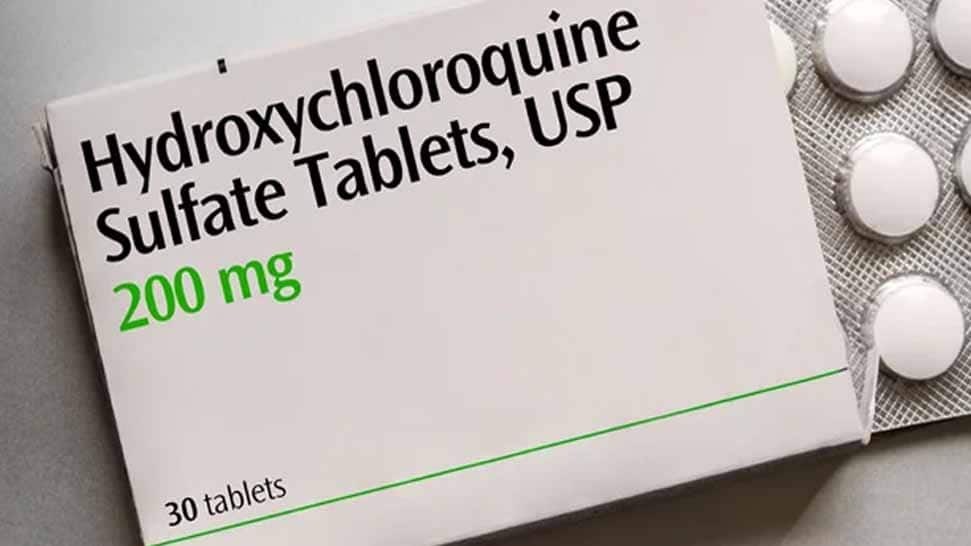
Covid-19 cases are on the rise again in the U.S.
Why are Dr. Anthony Fauci’s NIAID, the FDA, and the CDC so blind to the real-world success of HCQ+azithromycin?
If this combination is the simple, cheap, safe way to prevent hospitalization, would government agencies, Big Pharma, and the corporate media want to know?
If yes, then the proposed solution from a prominent Yale epidemiologist would prevent hundreds of thousands of deaths, and help the world to recovery.
Real-World Research on Hydroxychloroquine
During February and March of 2020, there was a lot of excitement in the medical community[i] because early indications in China and France seemed to show a cure for people in the early stage of Covid-19. The ancient anti-malarial drug quinine (aka chloroquine, aka hydroxychloroquine, aka HCQ) had been repurposed to show very promising results against Covid-19 when given to outpatients with early symptoms.
On March 21 all that changed when President Donald Trump tweeted:
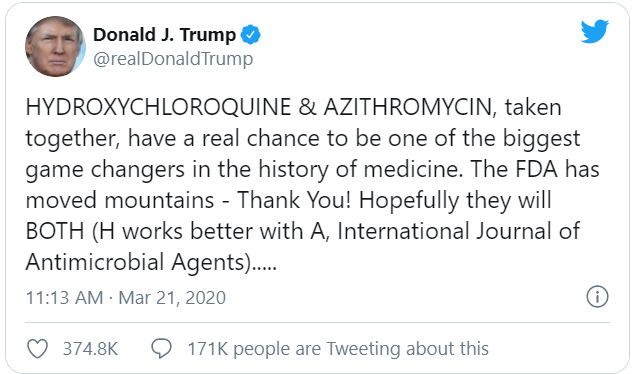
Hydroxycholoroquine, made from the ancient, cheap, and plentiful anti-malarial drug quinine, had suddenly become highly politicized. Its industry rivals and the media vigorously decried a business president, who, not a doctor, had dashed hopes for a profitable magic-bullet drug by tweeting an almost-free solution.
On May 22, hydroxychloroquine (HCQ), which has been on the WHO list of essential medicines since 1977, was sent into further freefall by a deceptive, industry-backed Lancet article claiming that hydroxychloroquine was causing heart problems in hospitalized Covid patients across six continents.[iii]
Headlines blared, hydroxychloroquine clinical trials were called off, and the World Health Organization recommended that physicians everywhere stop prescribing HCQ for Covid-19.
By May 27, Dr. Harvey Risch, Professor of Epidemiology at the Yale Schools of Public Health and Medicine, had confronted this disaster. He issued an urgent call through the top-ranked American Journal of Epidemiology for hydroxychloroquine + azithromycin “to be widely available and promoted immediately for physicians to prescribe.”[iv]
“Five studies,” he wrote from Yale, “including two controlled clinical trials, had demonstrated significant major outpatient treatment efficacy.” Incredibly, this call for immediate action published in America’s top epidemiology journal did not appear in the mainstream news.[v]
Instead, the opposite occurred. Although international protest drove the Lancet to retract its fraudulent May 22 article on June 4, the retraction made few headlines. In those two short weeks the U.S. media, with one voice, established HCQ as “controversial,” “anecdotal,” and even “dangerous” when paired with Gilead Science’s highly publicized golden goose, remdesivir.
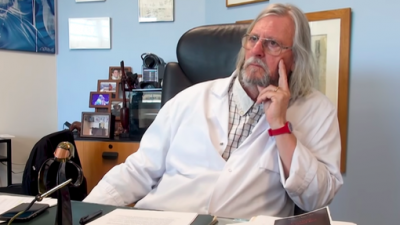 On May 21, the day before the Lancet’s HCQ attack appeared, the ever-helpful New York Times had issued a timely update of its massive 7,500-word hit piece against Dr. Didier Raoult, the French microbiologist whose published studies in March and April had preceded Yale’s profit-threatening call for sanity.
What was the Covid-HCQ background in China and France?
Dr. Didier Raoult, M.D., PhD., age 68, has long been France’s most cited microbiologist. For 35 years he has been professor of infectious diseases at the Aix-Marseille University in Marseille. Twelve years ago he founded, and is director of, the university’s Institute of Emerging Tropical Diseases.
Raoult is co-author of 2,300 published, peer-reviewed articles, in which he follows classical research standards by stating plagiarism checks, conflict of interest declarations, and funding declarations.
He is married to a psychiatrist and they have three children. In a July 7 BFM-TV interview he said that his philosophy it to treat patients like family. He also has three laboratories in Senegal, West Africa.
A vacation village near Marseille in Carry le Rouet was used to quarantine French citizens returning from Wuhan in case they needed treatment. President Macron visited Raoult on April 9.
What had Raoult learned from China?
During the early months of the pandemic, Raoult discovered studies from China showing that the repurposed anti-malarial generic drugs chloroquine and hydroxychloroquine were found to be effective in arresting the SARS-CoV-2 coronavirus in vitro (in the laboratory).[vi]
Further Chinese studies followed, including randomized clinical trials, showing that when administered to patients in combination with the antibiotic azithromycin, during the early days of the infection, their symptoms would most often resolve.[vii]
It thus seemed that almost anyone with early symptoms who tested positive could benefit from effective, affordable prophylactic treatment.
Raoult welcomed the people of Marseille for HCQ-azithromycin treatment and they lined up (socially distanced) around the block outside his 200-staff clinic.
This led to published studies. A first group of 80 patients showed a 50-fold benefit, and a larger group of 1,061 patients showed a similar result while achieving a mortality rate of only 0.5% – and with no cardiac toxicity.[viii]
Recent HCQ efficacy studies, unreported by the mainstream media
Two new independent U.S. studies have come to similar conclusions as Dr. Rault in Marseille and Dr. Risch at Yale:
On July 1, 2020, the Henry Ford Health System in Southeast Michigan reported that a peer-reviewed retrospective study of 2,541 Detroit cases showed up to 71% mortality reduction in early treatment, using HCQ and azithromycin.[ix]
In a June 30, 2020 study, Dr. Takahisa Mikami and his team at the Icahn School of Medicine, Mount Sinai, New York, analyzed the outcomes of 6493 patients who had confirmed Covid-19 and found that hydroxychloroquine decreased the mortality in hospitalized patients.[x]
The Corporate Profits Triad: Big Pharma, Media, Government
The Government arm of the triad
Conflicts of interest: the corporate fox in the government henhouse
During recent decades, the health role of government, which is to serve and protect its citizens, has been muddied by increasing corporate representation and influence in higher education and on government advisory committees and foundations. The drug industry, for example, funds university research, pours millions into medical schools, has personnel appointments to university faculties, and supplies textbooks to students.
In 1995 Congress established the private CDC Foundation to support the work of the U.S. Centers for Disease Control and Prevention (CDC).
In public-private partnerships, there is a thin line between support and conflict of interest. Susan Perry writes of the Gilead Tamiflu scandal in 2015:
“Unbeknownst to many, the CDC receives substantial industry funding through the CDC Foundation. A spokesperson said that over the past three years the foundation has received an average of about $6.3 [million] from the industry a year, 21% of the foundation’s overall funding. Since 1995 the foundation has received funding from more than 150 corporate “partners,” including Gilead, which holds the patent on oseltamivir [Tamiflu], as well as Genentech and Roche, the drug’s manufacturers.”[xi]
The creation of the CDC Foundation in 1995 altered the make-up of the highly respected CDC as a purely a tax-supported agency belonging to, and financed by, the people it served.
Dozens of pharmaceutical companies, including Gilead Sciences Inc., contribute millions of dollars to the CDC Foundation each year.[xii]
Anthony Fauci’s strange position on hydroxychloroquine
On April 4, a major fight erupted at a meeting of the White House Coronavirus Task Force, when economics advisor Peter Navarro passed around file folders, pointing out that overseas hydroxychloroquine studies showed “clear therapeutic efficacy.” The government’s top infectious diseases specialist, Dr. Anthony Fauci, countered that there was only anecdotal evidence that HCQ works.[xiii]
The evidence above shows that Fauci was wrong. Navarro was furious and a heated argument ensued.
As the head of the $5.9 billion National Institute of Allergy and Infectious Diseases (NIAID), Fauci should have known better – he should have known about the clinical trials, case reports, and observational studies in the medical literature. And he must certainly have known that it is not ethical to perform placebo-controlled studies during a pandemic: if the drug saves lives, some of the placebo people will die – a point often made by Professor Raoult.
Nor did Fauci mention real-world treatment guidelines. An April 17 article from the “Elsevier Public Health Emergency Collection” shows that government guidelines in Ireland, Saudi Arabia, and Egypt list chloroquine and hydroxychloroquine as the first line of defense for mild-to-moderate Covid-19. The U.S. guideline listed only remdesivir as the first-line defense.[xiv]
Dr. Fauci should have known about, and mentioned, such national guidelines beyond the United States.
But most particularly, Fauci should have known about the two most critical reasoning aspects regarding hydroxychloroquine:
It is only recommended with azithromycin or doxycycline, and only in an early illness outpatient setting in order to stop the infection before hospitalization becomes necessary.[xv]
The studies above show that this is not rocket science. Why is Dr. Fauci still talking about anecdotal evidence?
Why did he not retract what he told CNN on Wednesday, May 27, referring to what became the May 22 Lancet scandal?
Leaked: “Deadly” Hydroxychloroquine (HCQ) to treat Covid 19: How the World’s Top Medical Journals, The Lancet and NEJM, Were Cynically Exploited by Big Pharma
“Clearly the scientific data is really quite evident now about the lack of efficacy for it.”[xvi]
The corporate arm of the triad: Gilead’s checkered past
To begin with a snapshot of where Gilead’s remdesivir studies stood when on June 29 the US DHSS purchased $1.6 billion worth (500,000 doses, the world supply until the end of August) – the excerpt below from a June 24 article in the British Medical Journal assesses the problems:
“A serious imbalance in covid-19 research strongly favours the study of drug treatments over non-drug interventions, with many studies too small or too weak to produce reliable results. Equally concerning is the release of partial or preliminary findings before peer review—often through commercial press releases—that is distorting public perceptions, ongoing evaluations efforts, and political responses to the pandemic.
Remdesivir is a key example. The antiviral drug, made by US company Gilead, was unapproved at the start of the pandemic, but in early April the New England Journal of Medicine published a small descriptive study of a compassionate use scheme for patients with covid-19. Gilead funded the study, a third of the authors were Gilead employees, and Gilead’s press release reported “clinical improvement in 68% of patients in this limited dataset.” Despite being a non-randomised, uncontrolled, company funded study of just 53 patients, media headlines described “hopeful” signs and reported “two thirds” of patients showing improvement.[xvii]
Two weeks later, the Lancet published a randomised placebo controlled trial of remdesivir from China, finding no statistically significant clinical benefit in the primary outcome of time to clinical improvement. Twelve per cent of participants taking remdesivir stopped treatment early because of adverse events, compared with 5% taking placebo. The trial was stopped before meeting recruitment targets.”[xviii]
The only study demonstrating even marginal efficacy shows remdesivir to reduce hospital recovery times 31%, from 15 days to 11 days.[xix] In light of this benefit, Gilead’s Chairman Daniel Oday explained on June 29 how the company had priced the drug – which had little to do with its cost of $10 per dose to manufacture,[xx] or concern for the cost to the patient, but everything to do with what the market of desperate governments during a pandemic would bear:
“In normal circumstances, we would price a medicine according to the value it provides. The first results from the NIAID study in hospitalized patients with COVID-19 showed that remdesivir shortened time to recovery by an average of four days. Taking the example of the United States, earlier hospital discharge would result in hospital savings of approximately $12,000 per patient. Even just considering these immediate savings to the healthcare system alone, we can see the potential value that remdesivir provides…
We have decided to price remdesivir well below this value. To ensure broad and equitable access at a time of urgent global need, we have set a price for governments of developed countries of $390 per vial. Based on current treatment patterns, the vast majority of patients are expected to receive a 5-day treatment course using 6 vials of remdesivir, which equates to $2,340 per patient…
At the current price of $390 per vial, remdesivir is positioned to achieve the aim of providing immediate net savings for healthcare systems…The price for U.S. private insurance companies, will be $520 per vial. At the level we have priced remdesivir and with government programs in place, along with additional Gilead assistance as needed, we believe all patients will have access.”[xxi]
Incredibly, none of the studies published before this purchase had mentioned side effects of the drug, although in the China study, kidney injury had led to discontinuation for one patient, and in its original use for ebola, liver risks had been identified.[xxii] On July 5, a public health official reported that “remdesivir is showing reports of liver damage in patients across India.”[xxiii]
On June 30, the day after the DHSS $1.6 billion purchase, an International Journal of Infectious Diseases (IJID) preprint reported that two of five patients in a hospital enrolled in the French Discovery trial had to be put on dialysis for renal insufficiency caused by remdesivir toxicity.[xxiv] That’s 40%.
To summarize the problems with remdesivir:
The very few control trials were poorly designed, influenced by vested interests, lacked precision, provided low-quality evidence, or produced negative results.
There have been doubts about the regulatory decision of approving it and the purchasing decision to stockpile it.
There was little mention of adverse effects in the published literature. Post-marketing surveillance has uncovered adverse effects.
In other words, the benefits behind the purchase were overplayed, and the harms were underplayed.
Sadly, this whole story is a close replica of the costly Tamiflu (antiviral oseltamivir) management disaster that played out during the swine flu H1N1 “pandemic” of 2008-09.[xxv]
On July 2, Christopher Morten, a U.S. patent lawyer – having observed the remdesivir purchase debacle after the government had subsidized the development of the drug – published the article, “A powerful law gives HHS the right to take control of remdesivir manufacturing and distribution.”[xxvi]
Further tax dollars may not be lost.
The media arm of the triad: Remdesivir vs HCQ
Hydroxychloroquine’s days were numbered on March 21 when Donald Trump called it a game changer, and it became terminally ill on May 22 when the prestigious Lancet claimed heart effects on six continents.
Whatever predisposition the media may have had to objectively report the repurposingof a safe old drug had vanished. The battle against it was now framed as the President’s ignorant personal views vs. the reportedly non-existent randomized control trials for a “heart-threatening” drug.
HCQ was losing.
A ray of light shone briefly May 14 with the announcement of a NIAID clinical trial to investigate whether HCQ+azithromycin administered early in illness could prevent hospitalization. However, it was quietly extinguished when the trial suddenly ended June 20, unreported, nine days before the massive remdesivir purchase assailed the headlines June 29.
June 29 was a coordinated victory for corporate interests at the expense of the people’s wellness and their pocketbooks.
Conclusion
Reality in the citizen mind has had nothing to do with all the global HCQ studies that have been withheld from curing hundreds of thousands of people at the first sign of illness.
The coordinated triad network has instead sacrificed thousands of lives by propagandizing people into fearfully believing that once they get really sick, remdesivir helps, whereas HCQ does not.
The public is simply not allowed to know about a well-documented solution that threatens corporate profits and the captured media. (The evidence supporting this claim can be explored in depth at “The Media Sabotage of Hydroxychloroquine Use for COVID-19: Doctors Worldwide Protest the Disaster.”[xxvii])
It seems fitting to conclude on a positive note with these practical, responsible words from Yale epidemiologist Dr. Harvey Risch – words that could well be remembered each day by Dr. Tony Fauci; by the CDC and the FDA; and by any media interested in the public health:
“It is our obligation not to stand by, just ‘carefully watching,’ as the old and infirm and inner city of us are killed by this disease and our economy is destroyed by it and we have nothing to offer except high-mortality hospital treatment. We have a solution, imperfect, to attempt to deal with the disease. We have to let physicians employing good clinical judgement use it and informed patients choose it. There is a small chance that it may not work. But the urgency demands that we at least start to take that risk and evaluate what happens, and if our situation does not improve we can stop it, but we will know that we did everything that we could instead of sitting by and letting hundreds of thousands die because we did not have the courage to act according to our rational calculations.”[xxviii]
*
Note to readers: please click the share buttons above or below. Forward this article to your email lists. Crosspost on your blog site, internet forums. etc.
Notes
[i] “SECOND OPINION: Doctors Discuss the Politicization of Hydroxychloroquine,” June 18, 2020, at 10:21 min. (
https://www.youtube.com/watch?time_continue=7&v=m_JIz780i5w&feature=emb_logo).
[ii] Twitter: https://twitter.com/realDonaldTrump/status/1241367239900778501
[iii] The Lancet, “RETRACTED: Hydroxychloroquine or chloroquine with or without a macrolide for treatment of COVID-19: a multinational registry analysis, by Mandeep R. Mehra et al,” Lancet, 5 June 2010 (https://www.thelancet.com/journals/lancet/article/PIIS0140-6736(20)31180-6/fulltext).
[iv] Harvey A. Risch, “Early Outpatient Treatment of Symptomatic, High-Risk Covid-19 Patients that Should be Ramped-Up Immediately as Key to the Pandemic Crisis,” Amer. J. Epid, 27 May 2020 (https://academic.oup.com/aje/advance-article/doi/10.1093/aje/kwaa093/5847586). Risch is Professor at the Yale Schools of both Medicine and Public Health.
[v] Elizabeth Woodworth, “The Media Sabotage of Hydroxychloroquine Use for Covid-19: Doctors Worldwide Protest the Disaster,” Global Research, 30 June 2020 (https://www.globalresearch.ca/media-sabotage-hydroxychloroquine-covid-19-doctors-worldwide-protest-disaster/5717382).
[vi] X. Yao, F. , et al., “In vitro antiviral activity and projection of optimized dosing design of hydroxychloroquine for the treatment of severe acute respiratory syndrome coronavirus 2 (SARS-CoV-2),”Clin. Infect. Dis.9 March 2020 (online ahead of print: https://pubmed.ncbi.nlm.nih.gov/32150618/).
Liu, et al., “Hydroxychloroquine, a less toxic derivative of chloroquine, is effective in inhibiting SARS-CoV-2 infection in vitro,” Cell Discov, 18 March 2020 p. 16 (https://pubmed.ncbi.nlm.nih.gov/32194981/),
Wang, et al., “Remdesivir and chloroquine effectively inhibit the recently emerged novel coronavirus (2019-nCoV) in vitro,” Cell Res, 30, 4 February 2020, pp. 269-271 (https://www.nature.com/articles/s41422-020-0282-0).
[vii] The Chinese studies are cited in this article: P. Gautret P, et al., “Clinical and microbiological effect of a combination of hydroxychloroquine and azithromycin in 80 COVID-19 patients with at least a six-day follow up: a pilot observational study,” Travel Medicine and Infectious Disease, March-April 2020 (https://www.sciencedirect.com/science/article/pii/S1477893920301319).
Chen, et al., “Efficacy of hydroxychloroquine in patients with COVID-19: results of a randomized clinical trial,” MedRxiv, 10 April 2020, awaiting peer review (https://www.medrxiv.org/content/10.1101/2020.03.22.20040758v3).
[viii] P. Gautret, et al., “Clinical and microbiological effect of a combination of hydroxychloroquine and azithromycin in 80 COVID-19 patients with at least a six-day follow up: a pilot observational study,” Travel Medicine and Infectious Disease, March-April 2020 (https://www.sciencedirect.com/science/article/pii/S1477893920301319).
Matthieu Million, et al., “Early treatment of 1,061 COVID-19 patients with hydroxychloroquine and azithromycin, Marseille, France,”Travel Medicine and Infectious Disease, in press 20 April 2020 (http://santepublique-editions.fr/objects/Article-Raoult-20-avril-2020.pdf).
[ix] Samia Arshad, et al., “Treatment with Hydroxychloroquine, Azithromycin, and Combination in Patients Hospitalized with COVID-19,” International Journal of Infectious Diseases, 1 July 2020, DOI:https://doi.org/10.1016/j.ijid.2020.06.099(https://www.ijidonline.com/article/S1201-9712(20)30534-8/fulltext).
[x] Takahisa Mukami, et al., “Risk Factors for Mortality in Patients with COVID-19 in New York City,” J. Gen. Intern. Med., 30 June 2020 (https://pubmed.ncbi.nlm.nih.gov/32607928/).
[xi] Susan Perry, “CDC’s advice to take Tamiflu is compromised by financial conflicts of interest,” MinnPost, 12 February 2015 (https://www.minnpost.com/second-opinion/2015/02/cdcs-advice-take-tamiflu-compromised-financial-conflicts-interest/).
[xii] CDC Foundation, “Our Partners: Foundations.” The following includes a list of CDC Foundation corporate donors and partners over time.” (https://www.cdcfoundation.org/partner-list/corporations).
[xiii] Jonathan Swan, “Scoop: Inside the epic White House fight over hydroxychloroquine,” Axios, 5 April 2020 (https://www.axios.com/coronavirus-hydroxychloroquine-white-house-01306286-0bbc-4042-9bfe-890413c6220d.html).
[xiv] M. Tobaiqy, et al., “Therapeutic management of patients with Covid-19: a systematic review,” Infection Prevention in Practice, 17 April 2020 (https://www.ncbi.nlm.nih.gov/pmc/articles/PMC7162768/)
[xv] Harvey A. Risch, “Early Outpatient Treatment of Symptomatic, High-Risk Covid-19 Patients that Should be Ramped-Up Immediately as Key to the Pandemic Crisis,” Amer. J. Epid, 27 May 2020 (https://academic.oup.com/aje/advance-article/doi/10.1093/aje/kwaa093/5847586). Risch is Professor at the Yale Schools of both Medicine and Public Health.
[xvi] Devan Cole, “Fauci: Science shows hydroxychloroquine is not effective as a coronavirus treatment,” CNN, 27 May 2020 (https://www.cnn.com/2020/05/27/politics/anthony-fauci-hydroxychloroquine-trump-cnntv/index.html).
[xvii] Christopher Rowland, “Gilead’s experimental drug remdesivir shows ‘hopeful’ signs in small group of coronavirus patients,” Washington Post, 10 April 2020 (https://www.washingtonpost.com/business/2020/04/10/gileads-experimental-drug-remdesivir-shows-hopeful-signs-small-group-coronavirus-patients/).
[xviii] Ray Moynihan et al.,“Commercial influence and covid-19,” BMJ2020;369:m2456 (Published 24 June 2020) (https://www.bmj.com/content/369/bmj.m2456).
[xix] Jon Cohen, “Large trial yields strongest evidence yet that antiviral drug can help COVID-19 patients,” Science, 29 April 2020 (https://www.sciencemag.org/news/2020/04/large-trial-yields-strongest-evidence-yet-antiviral-drug-can-help-covid-19-patients).
[xx] Melanie D. Whittington and Jonathan B. Campbell, “Alternative Pricing Models for Remdesivir and Other Potential Treatments for COVID-19,” Institute for Clinical and Economic Review, 1 May 2020 (https://icer-review.org/wp-content/uploads/2020/05/ICER-COVID_Initial_Abstract_05012020-3.pdf). In a May 1, 2020 study, the ICER calculated that the cost of producing the remdesivir “final finished product,” including the pharmaceutical ingredients, formulation, packaging, and a small profit margin, was $9.32 US for a 10-day course of treatment.
[xxi] Daniel Oday, “Press Release: Open Letter from Chairman Daniel Oday,” Gilead Sciences, 29 June 2020 (https://www.gilead.com/news-and-press/press-room/press-releases/2020/6/an-open-letter-from-daniel-oday-chairman–ceo-gilead-sciences).
[xxii] Crystal Phend, “Remdesivir Safety Forecast: Watch the Liver, Kidneys,” Medpage Today, 19 May 2020 (https://www.medpagetoday.com/infectiousdisease/covid19/86582).
[xxiii] Bindu Shajan Perappadan, “COVID-19 drugs under review after trial results,” The Hindu, 5 July 2020 (https://www.thehindu.com/news/national/covid-19-drugs-under-review-after-trial-results/article31996031.ece).
[xxiv] Marie Dubert and Francois-Xavier Lescure, et al (14 more), “Case reports study of the first five patients COVID-19 treated with remdesivir in France,” International Journal of Infectious Diseases, in press, journal pre-proof, available June 30 online (https://www.sciencedirect.com/S1201971220305282).
[xxv] Yogendra Kumar Gupta, et al., “The Tamiflu fiasco and lessons learnt,” Indian J Pharmacol.2015 Jan-Feb; 47(1): 11–16 (https://www.ncbi.nlm.nih.gov/pmc/articles/PMC4375804/).
[xxvi] Christopher Morten, “A powerful law gives HHS the right to take control of remdesivir manufacturing and distribution,” StatNews, 2 July 2020 (https://www.statnews.com/2020/07/02/powerful-law-gives-hhs-right-to-control-remdesivir-manufacturing-distribution/).
[xxvii] Elizabeth Woodworth, “The Media Sabotage of Hydroxychloroquine Use for COVID-19: Doctors Worldwide Protest the Disaster,” Global Research, June 30 (https://www.globalresearch.ca/media-sabotage-hydroxychloroquine-covid-19-doctors-worldwide-protest-disaster/5717382).
[xxviii] Harvey A. Risch, “Early Outpatient Treatment of Symptomatic, High-Risk Covid-19 Patients that Should be Ramped-Up Immediately as Key to the Pandemic Crisis,” Amer. J. Epid, 27 May 2020 (https://academic.oup.com/aje/advance-article/doi/10.1093/aje/kwaa093/5847586). Risch is Professor at the Yale Schools of both Medicine and Public Health.
The original source of this article is Global Research
Copyright © Elizabeth Woodworth, Global Research, 2020
 GLOBAL RESEARCH DONATE
 SOURCE ARTICLE
Covid-19 cases are on the rise again in the U.S. Why are Dr. Anthony Fauci’s NIAID, the FDA, and the CDC so blind to the real-world success of HCQ+azithromycin? If this combination is the simple, cheap, safe way to prevent hospitalization, would government agencies, Big Pharma, and the corporate media want to know? If yes, then the proposed solution from a prominent Yale epidemiologist would prevent hundreds of thousands of deaths, and help the world to recovery. Real-World Research on Hydroxychloroquine During February and March of 2020, there was a lot of excitement in the medical community[i] because early indications in China and France seemed to show a cure for people in the early stage of Covid-19. The ancient anti-malarial drug quinine (aka chloroquine, aka hydroxychloroquine, aka HCQ) had been repurposed to show very promising results against Covid-19 when given to outpatients with early symptoms. On March 21 all that changed when President Donald Trump tweeted:
On May 21, the day before the Lancet’s HCQ attack appeared, the ever-helpful New York Times had issued a timely update of its massive 7,500-word hit piece against Dr. Didier Raoult, the French microbiologist whose published studies in March and April had preceded Yale’s profit-threatening call for sanity.
What was the Covid-HCQ background in China and France?
Dr. Didier Raoult, M.D., PhD., age 68, has long been France’s most cited microbiologist. For 35 years he has been professor of infectious diseases at the Aix-Marseille University in Marseille. Twelve years ago he founded, and is director of, the university’s Institute of Emerging Tropical Diseases.
Raoult is co-author of 2,300 published, peer-reviewed articles, in which he follows classical research standards by stating plagiarism checks, conflict of interest declarations, and funding declarations.
He is married to a psychiatrist and they have three children. In a July 7 BFM-TV interview he said that his philosophy it to treat patients like family. He also has three laboratories in Senegal, West Africa.
A vacation village near Marseille in Carry le Rouet was used to quarantine French citizens returning from Wuhan in case they needed treatment. President Macron visited Raoult on April 9.
What had Raoult learned from China?
During the early months of the pandemic, Raoult discovered studies from China showing that the repurposed anti-malarial generic drugs chloroquine and hydroxychloroquine were found to be effective in arresting the SARS-CoV-2 coronavirus in vitro (in the laboratory).[vi]
Further Chinese studies followed, including randomized clinical trials, showing that when administered to patients in combination with the antibiotic azithromycin, during the early days of the infection, their symptoms would most often resolve.[vii]
It thus seemed that almost anyone with early symptoms who tested positive could benefit from effective, affordable prophylactic treatment.
Raoult welcomed the people of Marseille for HCQ-azithromycin treatment and they lined up (socially distanced) around the block outside his 200-staff clinic.
This led to published studies. A first group of 80 patients showed a 50-fold benefit, and a larger group of 1,061 patients showed a similar result while achieving a mortality rate of only 0.5% – and with no cardiac toxicity.[viii]
Recent HCQ efficacy studies, unreported by the mainstream media
Two new independent U.S. studies have come to similar conclusions as Dr. Rault in Marseille and Dr. Risch at Yale:
On July 1, 2020, the Henry Ford Health System in Southeast Michigan reported that a peer-reviewed retrospective study of 2,541 Detroit cases showed up to 71% mortality reduction in early treatment, using HCQ and azithromycin.[ix]
In a June 30, 2020 study, Dr. Takahisa Mikami and his team at the Icahn School of Medicine, Mount Sinai, New York, analyzed the outcomes of 6493 patients who had confirmed Covid-19 and found that hydroxychloroquine decreased the mortality in hospitalized patients.[x]
The Corporate Profits Triad: Big Pharma, Media, Government
The Government arm of the triad
Conflicts of interest: the corporate fox in the government henhouse
During recent decades, the health role of government, which is to serve and protect its citizens, has been muddied by increasing corporate representation and influence in higher education and on government advisory committees and foundations. The drug industry, for example, funds university research, pours millions into medical schools, has personnel appointments to university faculties, and supplies textbooks to students.
In 1995 Congress established the private CDC Foundation to support the work of the U.S. Centers for Disease Control and Prevention (CDC).
In public-private partnerships, there is a thin line between support and conflict of interest. Susan Perry writes of the Gilead Tamiflu scandal in 2015:
“Unbeknownst to many, the CDC receives substantial industry funding through the CDC Foundation. A spokesperson said that over the past three years the foundation has received an average of about $6.3 [million] from the industry a year, 21% of the foundation’s overall funding. Since 1995 the foundation has received funding from more than 150 corporate “partners,” including Gilead, which holds the patent on oseltamivir [Tamiflu], as well as Genentech and Roche, the drug’s manufacturers.”[xi]
The creation of the CDC Foundation in 1995 altered the make-up of the highly respected CDC as a purely a tax-supported agency belonging to, and financed by, the people it served.
Dozens of pharmaceutical companies, including Gilead Sciences Inc., contribute millions of dollars to the CDC Foundation each year.[xii]
Anthony Fauci’s strange position on hydroxychloroquine
On April 4, a major fight erupted at a meeting of the White House Coronavirus Task Force, when economics advisor Peter Navarro passed around file folders, pointing out that overseas hydroxychloroquine studies showed “clear therapeutic efficacy.” The government’s top infectious diseases specialist, Dr. Anthony Fauci, countered that there was only anecdotal evidence that HCQ works.[xiii]
The evidence above shows that Fauci was wrong. Navarro was furious and a heated argument ensued.
As the head of the $5.9 billion National Institute of Allergy and Infectious Diseases (NIAID), Fauci should have known better – he should have known about the clinical trials, case reports, and observational studies in the medical literature. And he must certainly have known that it is not ethical to perform placebo-controlled studies during a pandemic: if the drug saves lives, some of the placebo people will die – a point often made by Professor Raoult.
Nor did Fauci mention real-world treatment guidelines. An April 17 article from the “Elsevier Public Health Emergency Collection” shows that government guidelines in Ireland, Saudi Arabia, and Egypt list chloroquine and hydroxychloroquine as the first line of defense for mild-to-moderate Covid-19. The U.S. guideline listed only remdesivir as the first-line defense.[xiv]
Dr. Fauci should have known about, and mentioned, such national guidelines beyond the United States.
But most particularly, Fauci should have known about the two most critical reasoning aspects regarding hydroxychloroquine:
It is only recommended with azithromycin or doxycycline, and only in an early illness outpatient setting in order to stop the infection before hospitalization becomes necessary.[xv]
The studies above show that this is not rocket science. Why is Dr. Fauci still talking about anecdotal evidence?
Why did he not retract what he told CNN on Wednesday, May 27, referring to what became the May 22 Lancet scandal?
“Clearly the scientific data is really quite evident now about the lack of efficacy for it.”[xvi]
The corporate arm of the triad: Gilead’s checkered past To begin with a snapshot of where Gilead’s remdesivir studies stood when on June 29 the US DHSS purchased $1.6 billion worth (500,000 doses, the world supply until the end of August) – the excerpt below from a June 24 article in the British Medical Journal assesses the problems: “A serious imbalance in covid-19 research strongly favours the study of drug treatments over non-drug interventions, with many studies too small or too weak to produce reliable results. Equally concerning is the release of partial or preliminary findings before peer review—often through commercial press releases—that is distorting public perceptions, ongoing evaluations efforts, and political responses to the pandemic. Remdesivir is a key example. The antiviral drug, made by US company Gilead, was unapproved at the start of the pandemic, but in early April the New England Journal of Medicine published a small descriptive study of a compassionate use scheme for patients with covid-19. Gilead funded the study, a third of the authors were Gilead employees, and Gilead’s press release reported “clinical improvement in 68% of patients in this limited dataset.” Despite being a non-randomised, uncontrolled, company funded study of just 53 patients, media headlines described “hopeful” signs and reported “two thirds” of patients showing improvement.[xvii] Two weeks later, the Lancet published a randomised placebo controlled trial of remdesivir from China, finding no statistically significant clinical benefit in the primary outcome of time to clinical improvement. Twelve per cent of participants taking remdesivir stopped treatment early because of adverse events, compared with 5% taking placebo. The trial was stopped before meeting recruitment targets.”[xviii] The only study demonstrating even marginal efficacy shows remdesivir to reduce hospital recovery times 31%, from 15 days to 11 days.[xix] In light of this benefit, Gilead’s Chairman Daniel Oday explained on June 29 how the company had priced the drug – which had little to do with its cost of $10 per dose to manufacture,[xx] or concern for the cost to the patient, but everything to do with what the market of desperate governments during a pandemic would bear: “In normal circumstances, we would price a medicine according to the value it provides. The first results from the NIAID study in hospitalized patients with COVID-19 showed that remdesivir shortened time to recovery by an average of four days. Taking the example of the United States, earlier hospital discharge would result in hospital savings of approximately $12,000 per patient. Even just considering these immediate savings to the healthcare system alone, we can see the potential value that remdesivir provides… We have decided to price remdesivir well below this value. To ensure broad and equitable access at a time of urgent global need, we have set a price for governments of developed countries of $390 per vial. Based on current treatment patterns, the vast majority of patients are expected to receive a 5-day treatment course using 6 vials of remdesivir, which equates to $2,340 per patient… At the current price of $390 per vial, remdesivir is positioned to achieve the aim of providing immediate net savings for healthcare systems…The price for U.S. private insurance companies, will be $520 per vial. At the level we have priced remdesivir and with government programs in place, along with additional Gilead assistance as needed, we believe all patients will have access.”[xxi] Incredibly, none of the studies published before this purchase had mentioned side effects of the drug, although in the China study, kidney injury had led to discontinuation for one patient, and in its original use for ebola, liver risks had been identified.[xxii] On July 5, a public health official reported that “remdesivir is showing reports of liver damage in patients across India.”[xxiii] On June 30, the day after the DHSS $1.6 billion purchase, an International Journal of Infectious Diseases (IJID) preprint reported that two of five patients in a hospital enrolled in the French Discovery trial had to be put on dialysis for renal insufficiency caused by remdesivir toxicity.[xxiv] That’s 40%. To summarize the problems with remdesivir: The very few control trials were poorly designed, influenced by vested interests, lacked precision, provided low-quality evidence, or produced negative results. There have been doubts about the regulatory decision of approving it and the purchasing decision to stockpile it. There was little mention of adverse effects in the published literature. Post-marketing surveillance has uncovered adverse effects. In other words, the benefits behind the purchase were overplayed, and the harms were underplayed. Sadly, this whole story is a close replica of the costly Tamiflu (antiviral oseltamivir) management disaster that played out during the swine flu H1N1 “pandemic” of 2008-09.[xxv] On July 2, Christopher Morten, a U.S. patent lawyer – having observed the remdesivir purchase debacle after the government had subsidized the development of the drug – published the article, “A powerful law gives HHS the right to take control of remdesivir manufacturing and distribution.”[xxvi] Further tax dollars may not be lost. The media arm of the triad: Remdesivir vs HCQ Hydroxychloroquine’s days were numbered on March 21 when Donald Trump called it a game changer, and it became terminally ill on May 22 when the prestigious Lancet claimed heart effects on six continents. Whatever predisposition the media may have had to objectively report the repurposingof a safe old drug had vanished. The battle against it was now framed as the President’s ignorant personal views vs. the reportedly non-existent randomized control trials for a “heart-threatening” drug. HCQ was losing. A ray of light shone briefly May 14 with the announcement of a NIAID clinical trial to investigate whether HCQ+azithromycin administered early in illness could prevent hospitalization. However, it was quietly extinguished when the trial suddenly ended June 20, unreported, nine days before the massive remdesivir purchase assailed the headlines June 29. June 29 was a coordinated victory for corporate interests at the expense of the people’s wellness and their pocketbooks. Conclusion Reality in the citizen mind has had nothing to do with all the global HCQ studies that have been withheld from curing hundreds of thousands of people at the first sign of illness. The coordinated triad network has instead sacrificed thousands of lives by propagandizing people into fearfully believing that once they get really sick, remdesivir helps, whereas HCQ does not. The public is simply not allowed to know about a well-documented solution that threatens corporate profits and the captured media. (The evidence supporting this claim can be explored in depth at “The Media Sabotage of Hydroxychloroquine Use for COVID-19: Doctors Worldwide Protest the Disaster.”[xxvii]) It seems fitting to conclude on a positive note with these practical, responsible words from Yale epidemiologist Dr. Harvey Risch – words that could well be remembered each day by Dr. Tony Fauci; by the CDC and the FDA; and by any media interested in the public health: “It is our obligation not to stand by, just ‘carefully watching,’ as the old and infirm and inner city of us are killed by this disease and our economy is destroyed by it and we have nothing to offer except high-mortality hospital treatment. We have a solution, imperfect, to attempt to deal with the disease. We have to let physicians employing good clinical judgement use it and informed patients choose it. There is a small chance that it may not work. But the urgency demands that we at least start to take that risk and evaluate what happens, and if our situation does not improve we can stop it, but we will know that we did everything that we could instead of sitting by and letting hundreds of thousands die because we did not have the courage to act according to our rational calculations.”[xxviii] * Note to readers: please click the share buttons above or below. Forward this article to your email lists. Crosspost on your blog site, internet forums. etc. Notes [i] “SECOND OPINION: Doctors Discuss the Politicization of Hydroxychloroquine,” June 18, 2020, at 10:21 min. (
